
English

Views: 0 Author: Site Editor Publish Time: 2026-10-25 Origin: Site


Embroidery coverage describes how much of a patch face is occupied by embroidery rather than exposed base fabric. The familiar 50%, 75% and 100% descriptions communicate progressively more stitched surface; they do not form a quality ranking. On embroidered patches, a deliberately exposed fabric background can be part of the finished design, while a fully stitched background creates a different texture. The appropriate choice depends on the artwork, background treatment, garment placement and quotation scope. Before choosing a percentage, decide which areas should remain visible fabric and which should become thread, then confirm how the supplier classifies that layout.
Coverage is an approximate area description. Stitch density describes how closely stitches are placed within an embroidered region. Embroidered patches can have limited overall coverage while using an appropriately constructed, well-defined stitched logo.
The distinction matters because a buyer may ask for “more embroidery” when the real problem is a weak outline or poor digitizing. Covering the remaining background does not automatically repair the lettering. Likewise, increasing stitch density within existing shapes does not necessarily change how much of the patch face is designated as embroidery.
Consider an illustrative 100-square-centimeter design field. If the artwork occupies approximately 50 square centimeters and the rest is intended as exposed fabric, its nominal coverage is about 50%. This is an area example, not a stitch-count calculation. The actual patch outline, border and supplier's classification method still need confirmation.
Commercial coverage categories may be rounded or banded. Ask whether the quoted percentage includes the border and how partially filled regions are treated. On embroidered patches with an irregular shape, using a surrounding rectangular box as the denominator can misrepresent the actual face area.
A percentage also says nothing about the number of colors, the smallest lettering or the sequence of stitching. Those features influence production separately. Keep the coverage description attached to an approved visual layout so that an estimated percentage cannot override the intended appearance.
The main visible difference is the balance between exposed base fabric and stitched surface. Choose the balance that supports the design, then let the production team confirm the applicable quotation category.
Nominal coverage | Background appearance | Design approach | Main approval point |
|---|---|---|---|
50% | A substantial area of base fabric remains visible | Use fabric as an intentional background for the main stitched elements | Base color, texture and contrast |
75% | Most of the face is embroidered, with selected exposed areas | Balance a more extensive graphic with purposeful fabric spaces | Whether the remaining fabric looks deliberate |
100% | The face is intended to have a fully stitched background | Build the complete visible field from embroidery | Fill appearance, lettering separation and finished hand |
At a nominal 50%, embroidered patches often present a logo, wording or symbol against a clearly visible fabric field. The exposed area is a designed surface, not unfinished work. Its color and texture need the same attention as the selected thread colors.
This approach can suit a simple mark with generous negative space. It may also avoid adding a stitched fill where fabric already provides the required background. However, fine lettering still needs suitable size and spacing; leaving the background unfilled does not remove the constraints of embroidery.
At a nominal 75%, embroidered patches carry more extensive stitched artwork while retaining visible fabric in selected areas. There is no requirement to leave one-quarter as a single block. Exposed fabric may appear around letters, between graphic sections or within larger negative spaces.
Review whether those spaces remain coherent at the finished dimensions. Several tiny exposed fragments can look different from a broad clean background. The percentage alone does not establish whether the balance is visually successful.
At 100%, the intended visible face is covered by embroidery, including the background. The base material still exists beneath the stitching. The term describes the intended face treatment rather than a claim that the patch contains only thread or has no underlying support.
Fully stitched embroidered patches introduce fill direction, surface reflection and the relationship between background stitches and foreground details. Inspect those features on a physical sample. A solid digital color field cannot show the directional appearance of thread under changing light.
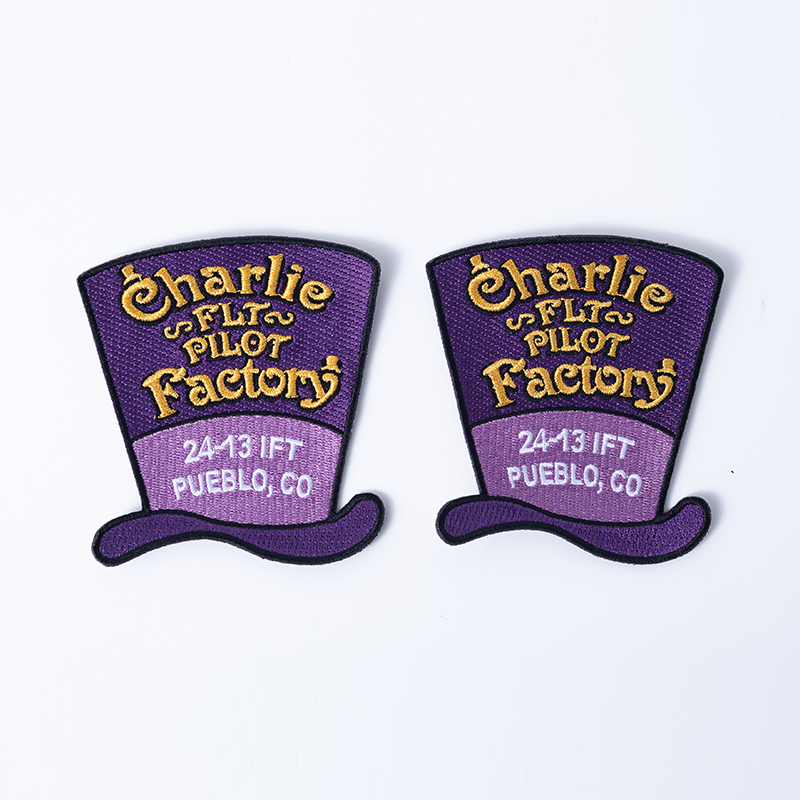
Adding background embroidery can increase stitch work and change the feel of embroidered patches, but the effect is design-specific. Compare quotations for the same size, artwork, border and backing rather than assuming a fixed price increase between percentages.
Embroidered patches should be evaluated against the approved design, not an assumed hierarchy of percentages. Two well-made embroidered patches can use different coverage levels because their backgrounds serve different visual purposes.
A large filled region and a collection of small detailed elements can involve different stitching requirements even when their total covered areas are similar. Stitch count, thread changes, digitizing, finishing and quantity all contribute to the order. A 100% design is not automatically a particular multiple of a 50% design.
Ask for the scope behind each quotation. If one price includes an adhesive backing, a different edge or individual packaging, it is not a controlled coverage comparison. Embroidered patches should be compared as complete finished components.
Additional stitching can alter thickness and bending behavior, but backing and fabric also matter. A lightly covered patch with a firm backing may feel less flexible than a more heavily stitched construction with a different reverse. Review the finished sample on the intended garment location.
For textured embroidered emblem patches, judge the visible stitching and the finished hand together. A texture appropriate for a jacket may feel too substantial on a lightweight shirt panel.
Small lettering is controlled by thread, needle, digitizing, stroke geometry and available space. Filling the background can change the surface beneath foreground details, but it does not automatically sharpen them. Embroidered patches with dense backgrounds still need sufficiently open counters and separated letters.
If important text is crowded, test a larger text field, simpler letter shapes or a revised layout. Do not specify full coverage as a general repair for an artwork problem. Where a precise texture or contrast is required, sample the foreground and background as a combined construction.
Begin by deciding what the background should look like, then assess the main artwork and installation. This produces a more useful choice for embroidered patches than selecting a percentage first and redesigning the logo to reach it.
If exposed fabric is an intentional part of the identity, choose a suitable fabric shade and keep the negative spaces clean. Check its relationship with every thread color. A near match between background fabric and lettering can reduce readability even when the logo looks balanced on screen.
If the design requires a continuous thread texture across the entire field, a fully embroidered background may be appropriate. Specify the intended fill appearance and review how it interacts with lettering and border stitching. A full background should contribute a visible benefit rather than be included solely because 100% sounds more complete.
For an illustrated souvenir design, identify which elements carry the story and which can remain open. embroidered souvenir patches provide a relevant product format for artwork combining symbols, dates and decorative elements. Their coverage still needs to follow the approved layout.
Keep the attachment decision separate. Iron-on, sew-on and hook-and-loop describe how embroidered patches are secured, while coverage describes their visible face. Heat compatibility or removable use cannot be inferred from the percentage.
Finally, consider the garment and placement. A broad chest emblem, a small sleeve badge and a curved cap application impose different handling requirements. Compare the completed patch in position before accepting a coverage change that alters its drape or visual weight.
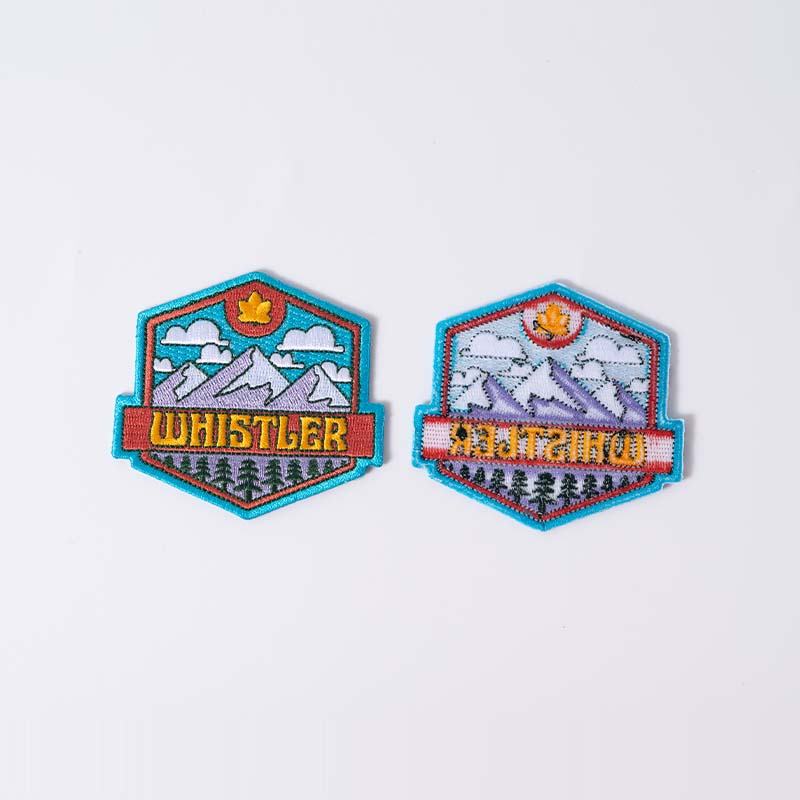
50%, 75% and 100% coverage describe the intended balance of stitched surface and exposed base fabric. They do not rank embroidered patches by quality. Choose a fabric background when it serves the artwork, and choose a stitched background when its texture and appearance are required. Dongguan Pengyuan Garment Accessories Co., Ltd. is a manufacturer of woven and embroidered garment accessories. For embroidered patches, connect the coverage description to a marked layout, a complete construction specification and a finished sample. That combination makes appearance, handling and quotation comparisons much clearer than the percentage alone.
Coverage alone cannot establish durability. Yarn, base material, digitizing, edge finishing, backing, attachment and care conditions all influence the finished product. Evaluate the assembly against its actual use requirements.
Yes, if the revised construction is approved, but the two surfaces can differ in shade, texture and reflection. Treat the change as a new background treatment and review a sample.
Yes. Their size, stitch types, density, underlay and detailed shapes can differ. Equal coverage is not equal production work.
That depends on the supplier's calculation and quotation method. Confirm the convention and use a marked drawing so the intended face remains unambiguous.
An estimate can help communicate the concept, but the production team should classify the actual artwork. The buyer's more important task is to identify which areas must be thread and which must remain fabric.