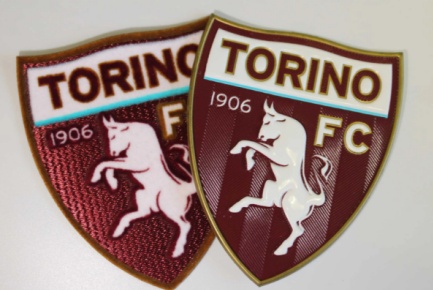
Embroidered patches are made as separate components and then attached to a garment. Direct embroidery forms the design on the garment itself. Choose between them by considering the finished appearance, fabric behavior, production access and whether the identification may need to change.
READ MORE
“High density” sounds like a clear specification until two quotations use it to describe different constructions. For woven emblems, thread density describes how closely yarns are arranged in the woven fabric. It can refer to warp ends, weft picks or a supplier's own construction category.
READ MORE
Embroidery coverage describes how much of a patch face is occupied by embroidery rather than exposed base fabric. The familiar 50%, 75% and 100% descriptions communicate progressively more stitched surface; they do not form a quality ranking.
READ MORE
How Small Can Text Be on a Woven Badge?Small text on woven badges has no universal minimum that guarantees readability. A letter can be technically formed by a loom and still be difficult to recognize on a finished garment.
READ MORE
A logo can be woven into a sleeve badge or a neck label, yet those two items create different requirements for garment production. Woven patches are generally developed as separate emblems with a defined outline and an attachment specification.
READ MORE
Buy custom football club pennants with confidence. Compare polyester, satin, sublimation, embroidery. Get procurement tips for quality and cost.
READ MORE
Choose durable sports club patches, keychains, and pennants with the right materials and artwork to avoid peeling, color mismatches, and costly delays.
READ MORE
Stop buying cheap merch. Maximize brand ROI with custom PVC keychains. This B2B guide covers 2D/3D design, tooling costs, safety, and sourcing.
READ MORE