
English


If you’ve ever touched a patch that feels soft, velvety, and slightly raised—almost like a premium “suede” surface—you’ve probably handled a flock patch. For brands, clubs, and uniform buyers, flock patches are popular for a simple reason: they deliver a high-end texture and a clean, modern look without relying on heavy embroidery or thick rubber. They stand out on jackets, hoodies, caps, bags, and teamwear because the surface catches light differently, adding depth even to simple logos. And because flock patches can be produced in consistent shapes and finishes, they’re also a practical choice for bulk orders where visual consistency matters.
At Dongguan Pengyuan Garment Accessories Co., Ltd., we work with buyers who want patches that look premium, feel distinctive, and still make sense for production. In this article, we’ll explain what flock patches are, how they’re made, what options you can choose (backings, edge finishes, sizes), where they perform best, and what to confirm before placing an order. We’ll keep it practical—so whether you’re developing a new apparel line, launching club merchandise, or sourcing uniform accessories, you can make decisions with clarity.
Flock patches are patches with a soft, velvet-like surface created by applying tiny fibers (called flock) onto an adhesive-coated base. Those fibers stand upright, giving the patch its signature plush texture and matte, premium look.
A typical flock patch has three key layers:
Base layer (fabric, film, or carrier backing)
Adhesive layer (where flock fibers attach)
Flock fibers (short fibers that create the velvety surface)
The result is a patch that looks clean and modern, feels soft to the touch, and can be made in different shapes and backing types.
A well-made flock patch usually feels:
Soft and velvety (the most recognizable feature)
Slightly raised (but not bulky)
Matte or gentle-sheen depending on fiber type and color
Smooth-edged and precise when cut or die-cut cleanly
Visually, flock patches tend to look “quietly premium.” They don’t have the shiny thread highlights of embroidery. Instead, the surface reads as rich texture—especially on darker colors.
While there are different production routes, the concept is consistent: create a base shape, apply adhesive, and then apply fibers so they stand upright.
A simplified production flow often looks like this:
Design and artwork setup
Base material selection (carrier/backing)
Adhesive application to areas that should be flocked
Flocking process where fibers are applied and set upright
Curing so fibers bond securely
Cutting (laser cut, die cut, or plot cutting depending on style)
Backing application (heat seal, sew-on, Velcro, etc.)
Inspection and packing
This is why flock patches are great for clean logos and bold shapes: the surface is formed by controlled material layers rather than dense stitching.
Buyers often ask whether flock is “better” than embroidery, woven, or silicone. In reality, it depends on your design and use case.
Here’s a practical comparison:
Patch Type | Look and Feel | Best For | Main Limitation |
Flock patches | Velvet-like texture, premium matte look | Modern logos, club crests, fashion labels | Can flatten if pressed incorrectly |
Embroidered patches | Raised thread texture, classic badge feel | Traditional crests, bold thread look | Small text can lose clarity |
Woven patches | Flat, high-detail thread surface | Small text, detailed logos | Less “3D” texture |
Silicone/TPU patches | Modern, bold 3D effect | Outdoor, sporty branding | Heavier look; not “soft” texture |
If your brand wants a soft-touch premium feel, flock patches are often the most direct solution.
Flock patches perform especially well in applications where texture matters and the product is touched often:
Club and team merchandise (hoodies, jackets, scarves, caps)
Streetwear and fashion branding (minimal logos that need texture)
School uniforms and varsity styles (classic badge placement with a modern feel)
Bags and accessories (tote bags, backpacks, laptop sleeves)
Event and staff apparel (premium look without heavy embroidery)
Backing choice is where many orders succeed—or run into avoidable issues. Here are the most common options:
A popular option for factory application using a heat press. It’s clean, efficient, and scalable when applied correctly.
Preferred when garments will face repeated washing, heavy friction, or when you want maximum mechanical security. Sew-on also avoids heat exposure risks during application.
Common for tactical, club swaps, uniforms, and gear where patches need to be removable. Usually includes a hook-and-loop system.
More suitable for short-term placement, sampling, or display. Not typically recommended for long-life garment use.
Procurement tip: If your brand sells to end customers who will apply patches at home, consider how easy the application is and include clear instructions.
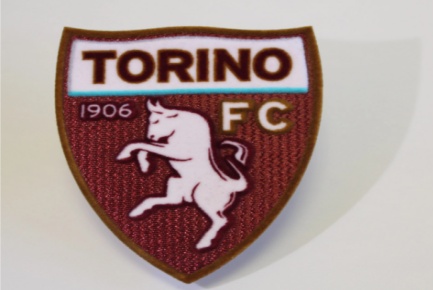
Flock patches can be applied to many fabrics, but results are best when the surface and structure support stable bonding or stitching.
Typically good matches include:
Cotton and cotton blends
Fleece and sweatshirt materials
Denim
Many polyester blends used in teamwear
Surfaces that may require extra attention:
Very stretchy knits (risk of distortion)
Highly textured surfaces (reduced bonding contact)
Water-repellent coated fabrics (bonding can be more challenging)
For bulk projects, we usually recommend testing the patch on the actual garment fabric before mass production—especially if the fabric has special coatings or high stretch.
Flock patches can look extremely clean, but they perform best when the design respects the nature of the material.
We recommend:
Use clear shapes and confident line widths
Avoid ultra-thin lines if the patch will be heavily handled
Choose color combinations that keep strong contrast
Consider edge finish to maintain a sharp silhouette
If your design includes tiny elements, decide whether they should be flocked or left as a flat detail layer
In other words, design flock patches like a premium texture badge, not like a miniature printed poster.
When you source flock patches, these checkpoints help avoid mismatch between sample and bulk:
Flock surface uniformity
The velvet surface should look even, without bare spots or uneven density.
Edge precision
Clean cutting and consistent shape matter a lot for a “premium” impression.
Color consistency
Flock colors should be consistent across production lots, especially for clubs and teams.
Backing performance
Heat seal should bond reliably; Velcro should align correctly; sew-on borders should be tidy.
Packaging and handling
Flock surfaces can be pressed or flattened if packed too tightly. Protective packing helps.
Too much heat or pressure can flatten the flock surface. Too little can reduce bonding strength. A controlled test is always worth it.
If the patch will be frequently washed and rubbed, sew-on may be safer. If it must be removable, Velcro is more appropriate.
A flock patch that looks perfect at 70 mm may look crowded at 40 mm. Size influences perceived quality.
Flock is about clean shapes and texture. Designs that rely on micro-details may be better as woven or print + flock hybrid solutions.
So, what are flock patches? They’re a premium-feel patch style defined by a soft velvet surface created through flocking—giving brands and clubs a distinctive texture that feels modern, clean, and high-quality. When paired with the right backing and a design that suits the material, flock patches can elevate merchandise and uniforms without adding bulky thickness or overly complex construction. They’re especially effective when you want a logo to look understated but still feel “special” the moment someone touches it.
At Dongguan Pengyuan Garment Accessories Co., Ltd., we support buyers with practical flock patch options for brand programs, club badges, and bulk production needs—helping you choose the right backing, edge finish, and specification for your garments and use case. If you’re planning a custom flock patch project and want guidance on design readiness, sampling, and production details, you can learn more through Dongguan Pengyuan Garment Accessories Co., Ltd. and contact our team for product information and support.
Flock patches are made from a base layer, an adhesive layer, and short flock fibers that create the velvet-like surface.
No. Embroidered patches use stitching to form the design, while flock patches use fibers applied to an adhesive-coated surface for a soft-touch finish.
Heat seal is common for factory application, sew-on is strong for heavy use, and Velcro is ideal when patches need to be removable.
Yes. Flock patches are widely used on hoodies, jackets, and many cotton or polyester blends, especially for brands and club merchandise.